How did you come to plan and run a robotics workshop for elementary school girls?
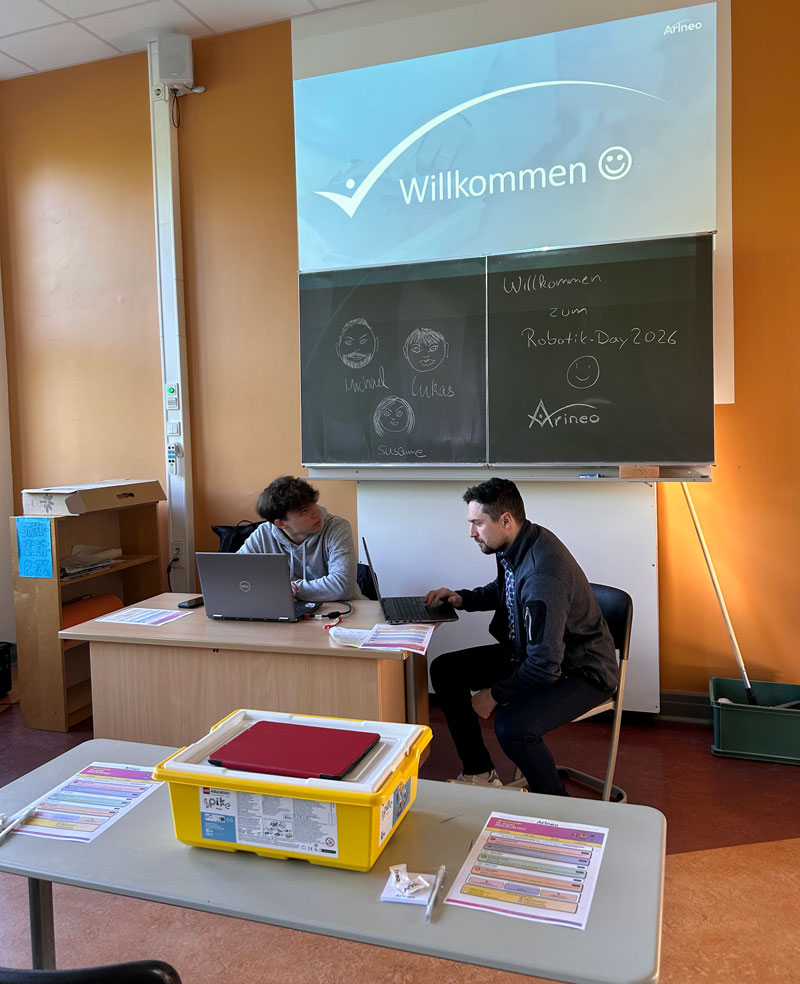
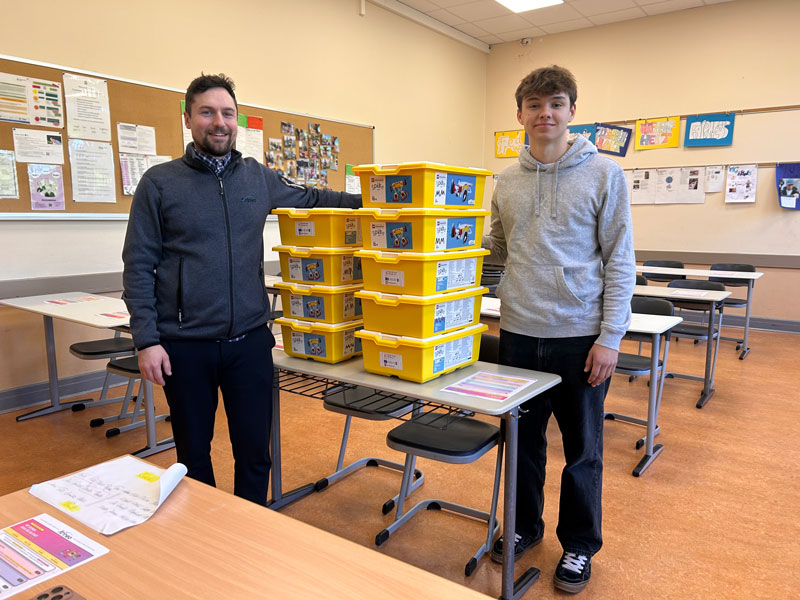
Michael: The idea came from a collaboration with Robotikfreunde e.V., who are committed to inspiring children’s interest in technology at an early age. When they asked whether we wanted to take over a robotics workshop for elementary school girls at the Felix-Klein Gymnasium, we didn’t have to think long. For us, it was the perfect opportunity to share what we learned in training and, at the same time, inspire girls to pursue IT and technology.
What tasks were involved in planning and preparation?
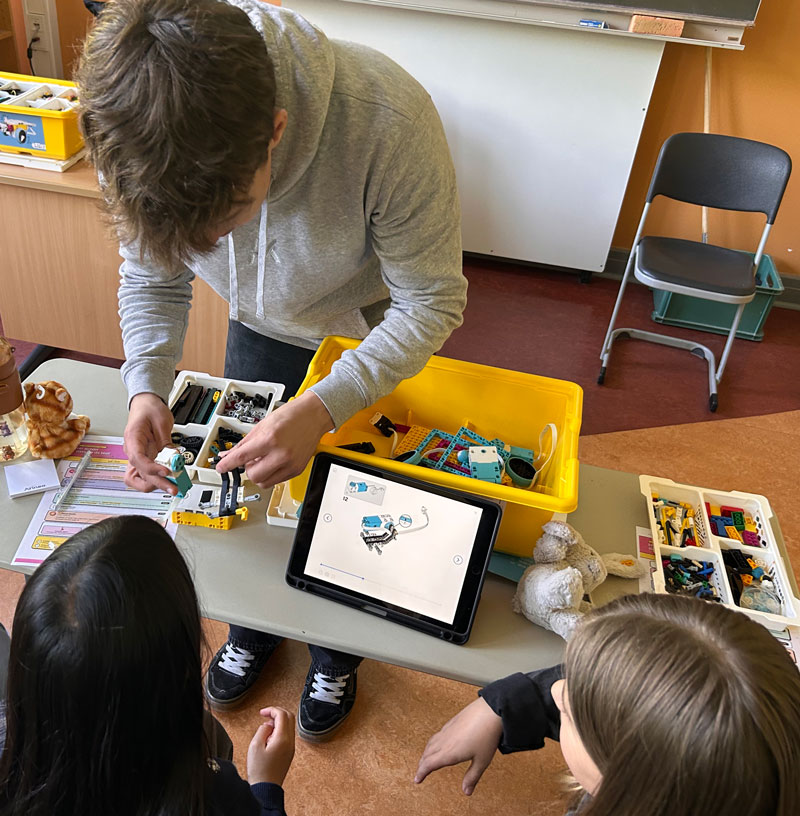
Lukas: We developed the entire concept ourselves: from the schedule to the individual tasks for the children – Robotikfreunde e. V. provided the material. A particular challenge was explaining robotics in a way that even elementary school girls without prior knowledge could understand and enjoy. Organizing on site and dividing the groups was also our responsibility, so we learned to think about a project from A to Z.
How much responsibility were you allowed during the project?
Michael: We had full responsibility from the beginning – and that’s exactly what was intended. Of course, we could always consult with others, but the decisions were ours. This sense of responsibility is what makes the training at Arineo so special: we don’t just receive instruction, but can really shape things. That gives a whole different level of confidence.
What does a project leader do?

Project leaders ensure that an idea becomes a successful project. They plan the schedule, coordinate tasks, track deadlines, and consult with everyone involved. They also make decisions, solve challenges, and ensure the project goals are achieved.
Our apprentices also take on responsibility for smaller projects early on. In doing so, they learn step by step how to organize tasks, work in a team, and successfully implement projects – skills that they will need daily in their later working lives.
Maike Thöle, Recruiting Specialist
How did the workshop proceed and what did the girls work with?
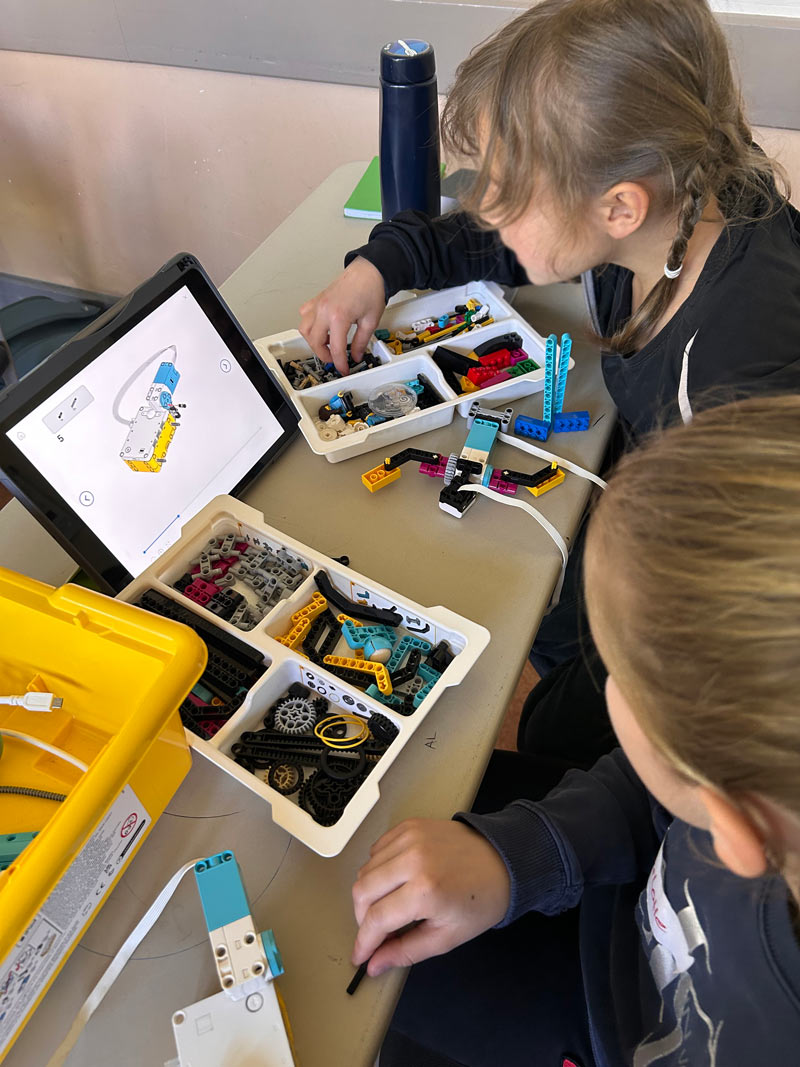
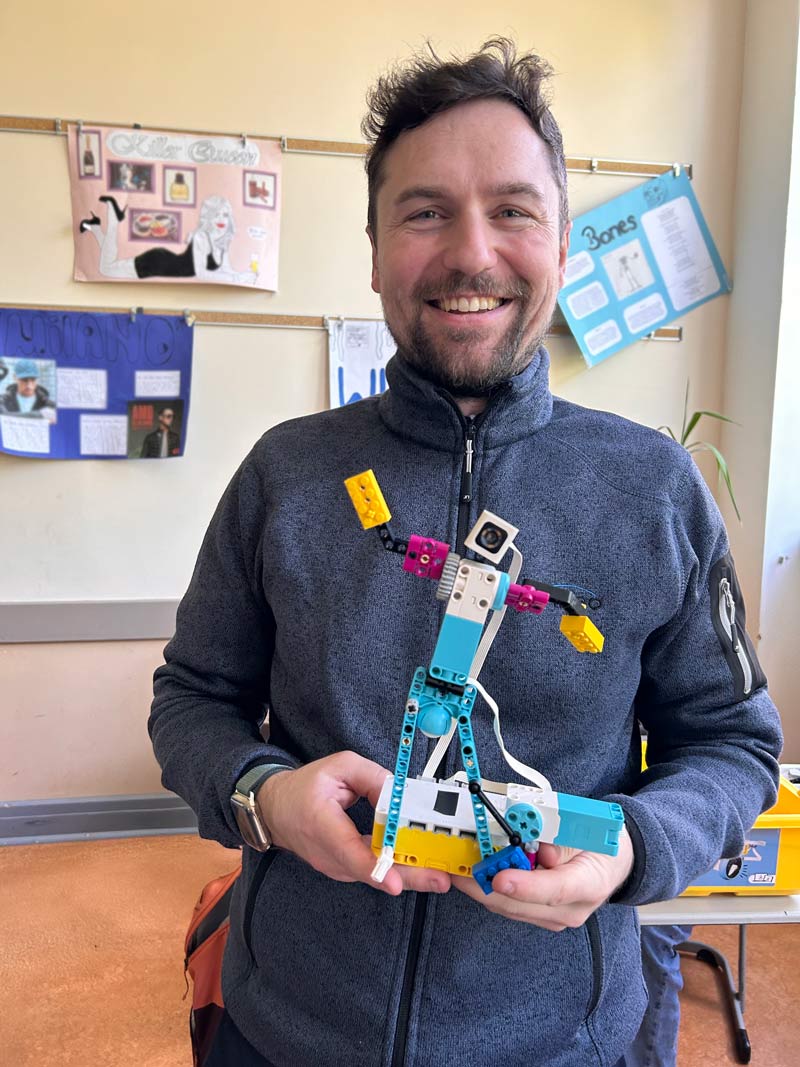
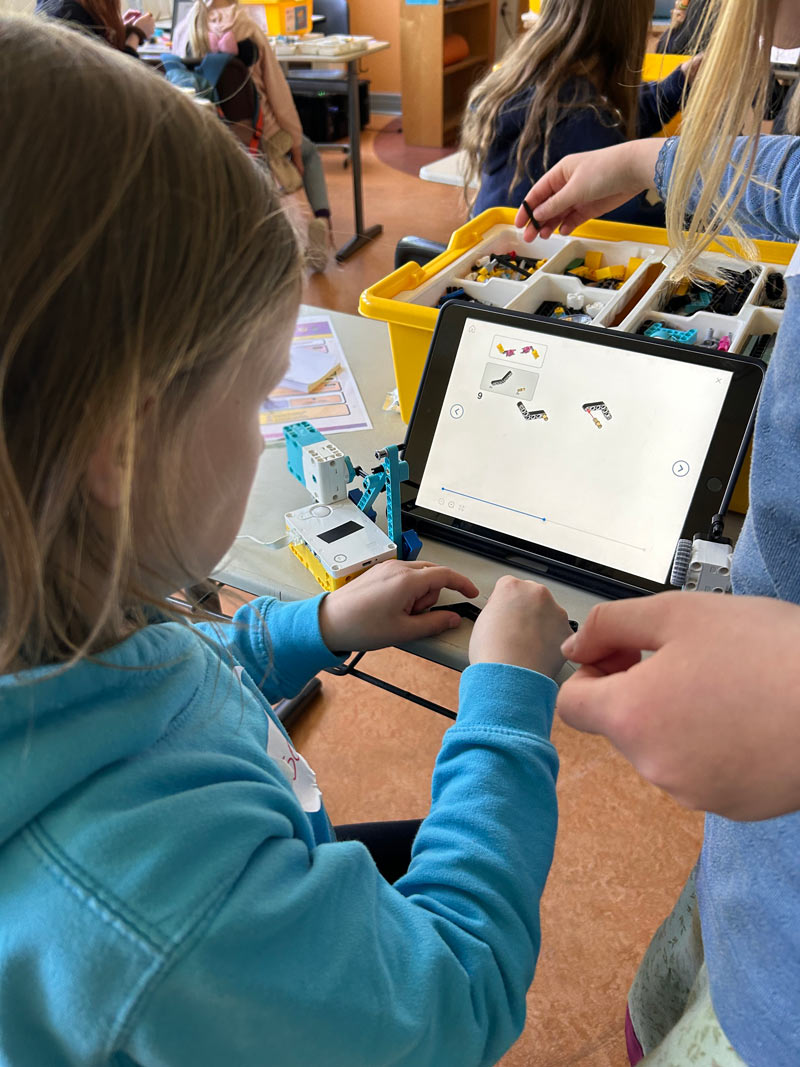
Lukas: 24 girls from two schools worked together. This let them build the robots we suggested and program them themselves. We guided them step by step through the first commands until the robots actually moved. What’s great is that the girls experienced, in a playful way, how something living can come from a few building blocks and some code.
What is Lego Spike Prime?
LEGO SPIKE Prime is a robotics and learning system from LEGO Education that lets children and young people build and program their own robots. This allows them to learn the basics of technology, computer science, and programming in a playful way.
What impressed you most during the workshop?
Michael: What impressed us most was how quickly and fearlessly the girls approached the topic. There were no inhibitions – on the contrary, they experimented, tried things out, and were thrilled when their robot finally did what it should. This enthusiasm was really contagious. In moments like that, you realize why the effort is worthwhile.
What did you personally take away from the project for your training?
Lukas: We learned that IT is not only about what happens on a screen, but also a lot about communication and conveying information. Explaining a complex topic in such a way that a child understands it is a real challenge – and helps enormously in professional life, as we have a lot of contact with colleagues and clients alike. In addition, we realized how much fun it is to be responsible for your own project. This combination of technology, responsibility, and practical relevance makes the training at Arineo special.
What advice would you give to young people considering an IT apprenticeship?
Lukas: Trust in yourself – even if you don’t have any prior experience! IT is much more versatile and creative than most people think, and you grow with every task.
Michael: At Arineo, you get the chance early on to take responsibility and contribute your own ideas. And that’s what makes the training so exciting.
FAQ: Project Management in Training
Yes. Our apprentices work on real projects from an early stage and, depending on their training level, increasingly take responsibility for planning, organization, and implementation. Experienced colleagues are always available to support them.
Many tasks in later working life require organizational skills, communication skills, and a sense of context. Those who plan and accompany projects during their apprenticeship develop these competencies from the beginning in a practical setting.
In addition to technical knowledge, they also strengthen their communication skills, responsibility, teamwork, organizational skills, and confidence in dealing with clients and colleagues.
No. Curiosity, a willingness to learn, and motivation to take on responsibility matter more. Everything else you will learn step by step during your training.
Klingt spannend?
Dann wäre eine Fachinformatik-Ausbildung mit Schwerpunkt Daten- und Prozessanalyse vielleicht auch etwas für dich.